When you’re replacing your windows, choosing the right material is just as important as selecting the style and glazing. At Thomas Tonks Installations, we offer both uPVC and aluminium windows, giving homeowners the flexibility to choose a solution that suits their property, preferences and budget. Both options offer excellent performance, but there are some important differences to consider.
uPVC Windows: Practical and Low Maintenance
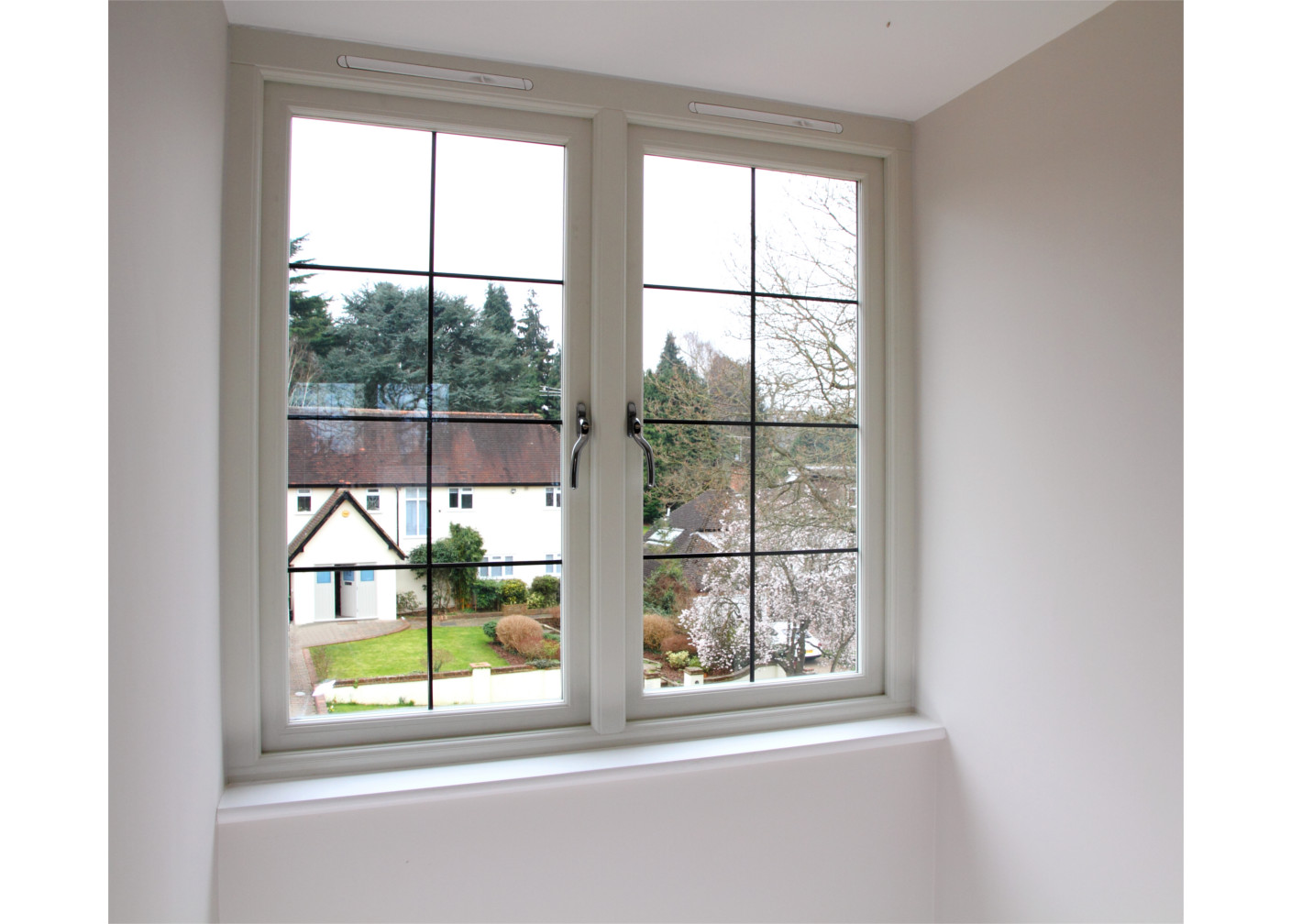
uPVC windows have long been a popular choice for homeowners because they combine good thermal performance, durability and low maintenance with a wide range of styles and finishes.
Our uPVC casement windows use Kommerling profiles and feature five chambers to help improve thermal performance, alongside steel-reinforced profiles for additional durability. They are also available in a choice of modern and traditional colours and woodgrain finishes, making them suitable for both contemporary and more traditional properties.
One of the biggest advantages of uPVC is how little maintenance it requires. Unlike traditional timber, uPVC won’t rot, warp or require regular painting, making it a practical option for busy households.
uPVC is also extremely versatile. From traditional casement windows to vertical sliding sash designs and flush sash windows, there are options available to complement different architectural styles.
Aluminium Windows: Strength with Slim Sightlines
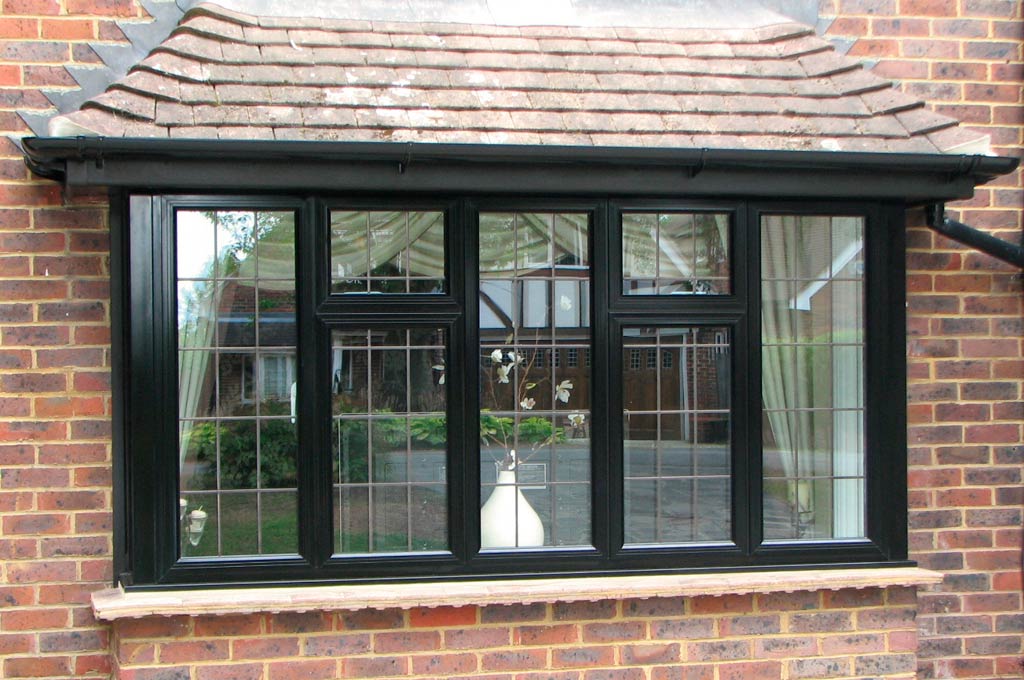
Aluminium offers a different set of advantages. It is a strong, lightweight and highly durable material, making it particularly suitable for homeowners looking for slim, contemporary window frames.
At Thomas Tonks, our aluminium casement windows are manufactured using Smarts Architectural Aluminium. The profiles incorporate a thermal break, helping to reduce heat transfer through the frame and improve thermal efficiency.
Another major benefit is design flexibility. Aluminium windows are available in hundreds of RAL colours, including metallic and textured finishes, while dual-colour options allow you to have different colours inside and outside your home.
The slim sightlines of aluminium can also help maximise the amount of glass within the frame, creating a clean, modern appearance and allowing plenty of natural light into your home.
Which Is More Energy Efficient?
Both modern uPVC and aluminium windows can provide excellent thermal performance when correctly specified and installed. Our uPVC windows can achieve U-values as low as 1.2 W/m²K on some double-glazed products, while our aluminium windows use thermal-break technology to improve resistance to heat transfer.
For homeowners looking to maximise thermal efficiency even further, we can also offer triple glazing on selected products.
uPVC vs Aluminium: Which Should You Choose?
Ultimately, there isn’t one material that’s right for every property.
uPVC windows are an excellent choice if you want a cost-effective, low-maintenance window with strong thermal performance and plenty of style options. They’re particularly versatile for traditional and modern homes alike.
Aluminium windows, meanwhile, are ideal if you prefer a contemporary appearance, slim sightlines, strong frames and extensive colour choices. Their durability and resistance to corrosion also mean they require very little long-term maintenance.
At Thomas Tonks Installations, we understand that every property is different. That’s why we offer a range of window materials, styles, colours and glazing options to help you find the right solution. Whether you’re looking for uPVC, aluminium, timber or specialist replacement windows, our team can discuss your requirements and help you make an informed choice.
Thinking about replacing your windows? Get in touch with Thomas Tonks Installations to discuss your options and find the right windows for your home.